History & context
Place the jewelry within Etruscan civilization, trade, burial practice, and changing artistic periods.
Explore history →Explore how Etruscan goldsmiths transformed thin sheets, delicate wire, and nearly microscopic grains of gold into jewelry that still astonishes more than 2,500 years later.
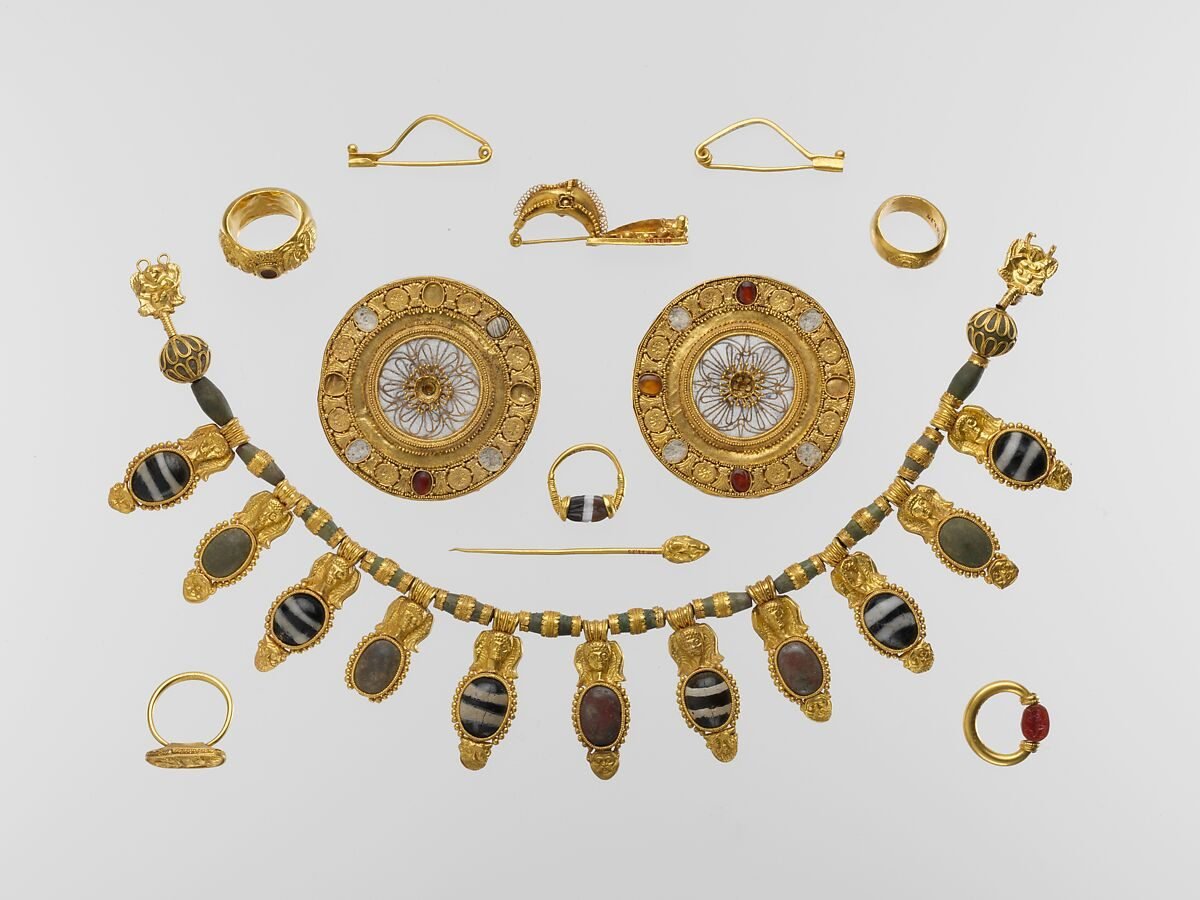
Etruscan jewelry is not one style, one century, or one technique. It is a changing body of work shaped by local invention, Mediterranean exchange, status, ritual, and exceptional control of gold.
This site organizes that knowledge into history, techniques, jewelry forms, object studies, terminology, and practical identification guidance.
Place the jewelry within Etruscan civilization, trade, burial practice, and changing artistic periods.
Explore history →Understand granulation, filigree, repoussé, sheet construction, soldering, and surface pattern.
Explore techniques →Learn how earrings, fibulae, necklaces, rings, pins, bracelets, and diadems were designed and worn.
Explore types →Often it is not a single motif but a combination: lightweight hollow construction, dense surface decoration, tiny soldered grains, twisted or beaded wire, mythic or animal imagery, and forms tied to clothing and social display.
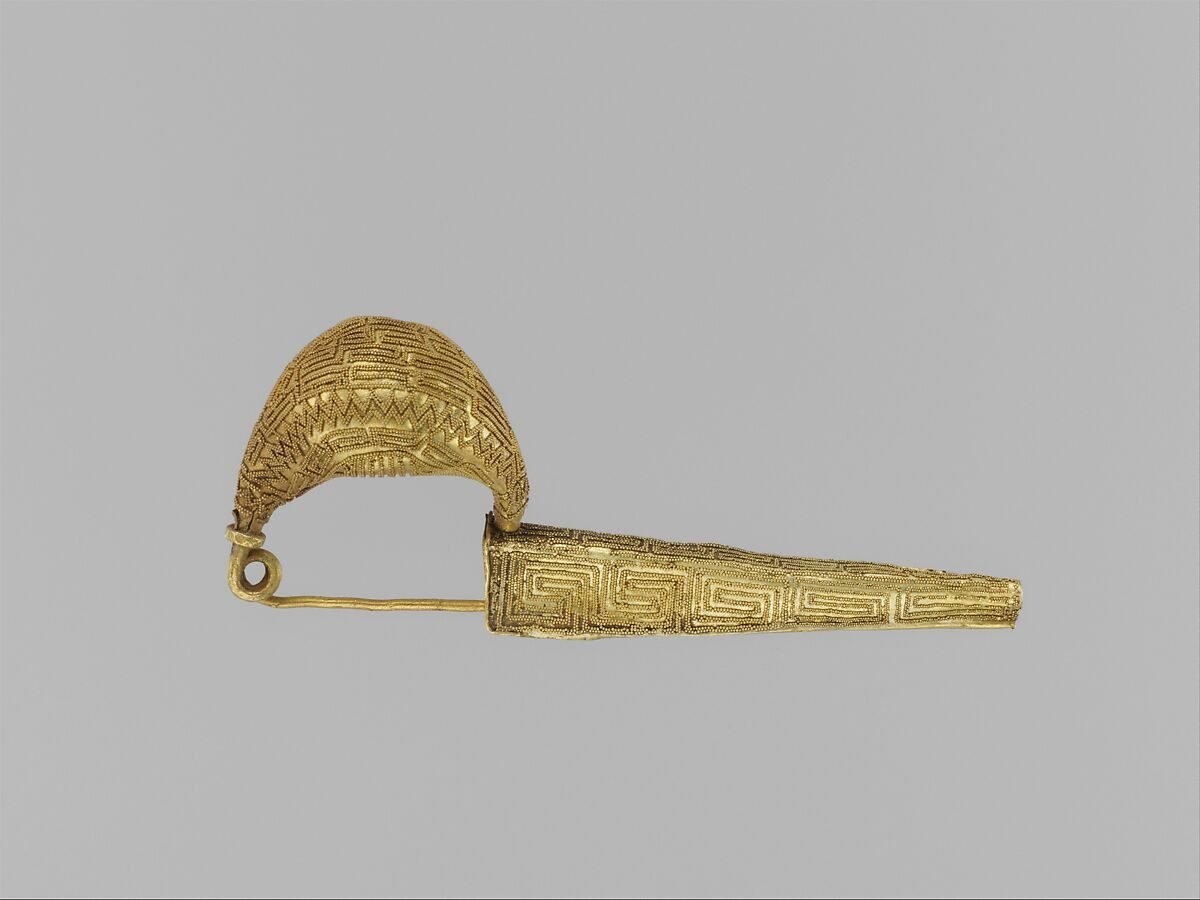
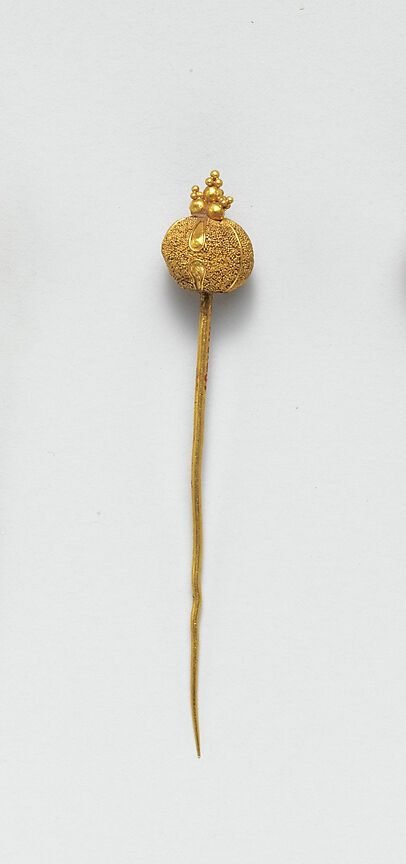
Open-access images from The Metropolitan Museum of Art. Each object page links to the museum record.